
5+
Years Of Experience
Surfaces That Function Instead of Fighting You
Lawn Leveling & Top Dressing in Severance for yards with uneven ground that creates drainage problems or limits usability
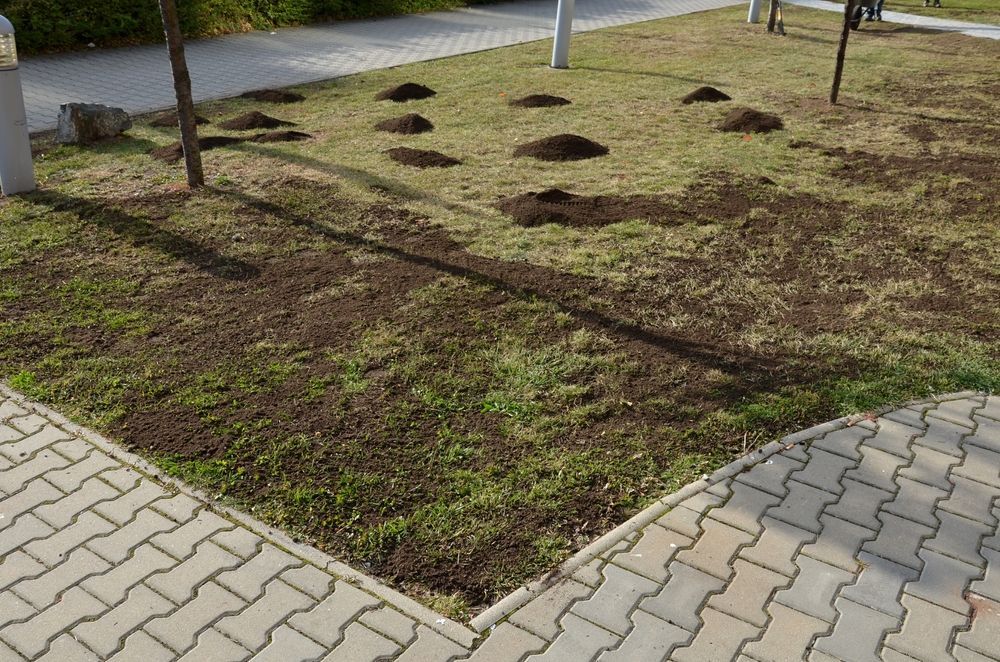
Uneven lawns develop from settling soil, frost heave cycles, burrowing pests, or poorly executed grading during construction. Low spots collect water and stay soggy after irrigation or rain, high spots scalp during mowing and expose soil that invites weeds, and bumps or dips make the yard harder to use for recreation or outdoor furniture placement. Lawn leveling smooths these inconsistencies by redistributing soil or adding material to fill depressions, while top dressing applies a thin layer of compost across the surface to improve soil quality and promote thicker grass growth. Just-In Time Landscape & Maintenance provides lawn leveling and top dressing in Severance to correct surface problems that affect both appearance and function.
The process begins with identifying problem areas through visual inspection and sometimes using a level or grading tool to measure severity. Minor depressions are filled with a soil-compost blend that matches existing turf conditions, while larger uneven areas may require more extensive reshaping. Top dressing is often applied across the entire lawn after leveling, creating a uniform layer that fills in small gaps, improves soil texture, and provides organic matter that supports root development. When paired with aeration, top dressing material works deeper into the soil profile instead of sitting on the surface.
Request an on-site assessment to determine how leveling and top dressing can address surface irregularities and improve your lawn's overall density.
What Changes After Leveling and Compost Application
Lawn leveling removes the functional problems caused by uneven surfaces. Water drains more consistently instead of pooling in depressions that turn muddy and kill grass, mowing equipment glides smoothly without scalping high spots, and the yard becomes more usable for activities that require stable footing. Top dressing adds a nutrient-rich layer that encourages lateral grass growth, which helps fill in thin areas and creates a denser turf canopy that resists weed establishment.
After leveling and top dressing, you notice that the lawn looks more uniform and feels more stable underfoot. Areas that previously stayed wet after watering now dry at the same rate as the rest of the yard, and grass grows more evenly without the patchwork appearance caused by low spots with stressed turf and high spots with thin coverage. The lawn also responds better to fertilization and watering because soil quality improves and roots access nutrients more efficiently.
Leveling works best when done before the growing season starts or during early fall when grass can quickly recover and grow into the new surface. Top dressing is typically applied in a layer thin enough that grass blades remain visible, usually around one-quarter to one-half inch, so turf isn't smothered. The material settles over a few weeks as irrigation and rainfall work it into the soil surface, and grass grows through it to create a denser, healthier lawn.
Answers to Frequent Questions About Lawn Leveling
Property owners in the Greater Fort Collins Area often ask how leveling affects existing grass and what results to expect after top dressing.
What causes lawns to become uneven over time?
Settling soil, freeze-thaw cycles in northern Colorado, pest activity like voles or moles, and poor initial grading all contribute to surface irregularities that worsen as soil shifts and compacts.
How does top dressing improve turf density?
Compost applied in a thin layer adds organic matter that improves soil structure, encourages microbial activity, and provides nutrients that support lateral grass growth and root expansion.
Will leveling damage existing grass?
Minor leveling preserves most grass because material is added in thin layers that turf grows through, though severe corrections may require overseeding in areas where soil addition is heavier.
Why pair leveling with aeration?
Aeration creates channels that allow top dressing material to penetrate deeper into the soil profile, improving effectiveness and speeding up the integration of compost into the root zone.
How long before results are visible after top dressing?
Grass typically begins growing through the compost layer within two to three weeks, with noticeable density improvements appearing after four to six weeks as roots access the added nutrients and organic matter.
Just-In Time Landscape & Maintenance evaluates surface conditions and soil quality to determine the right approach for leveling and top dressing. Reach out at (970) 556-9314 to schedule a property review and discuss how these services apply to your lawn's specific issues.